

Most people don’t wake up one day and think, “I have depression.” It creeps in slowly. You stop enjoying things you used to love. You tell yourself you’re just tired, just stressed, just going through a rough patch. And then months go by — sometimes years — and the rough patch never really ends.
Depression doesn’t always look like crying on the floor. More often it looks like going through the motions. Showing up to work. Taking care of your family. Doing what needs to be done — but feeling hollow inside while you do it.
If any of that sounds familiar, this article is for you. Below are seven signs that what you’re experiencing might be depression — and why therapy for depression in Utah is one of the most effective ways to start feeling like yourself again.
1. You’re Exhausted No Matter How Much You Sleep
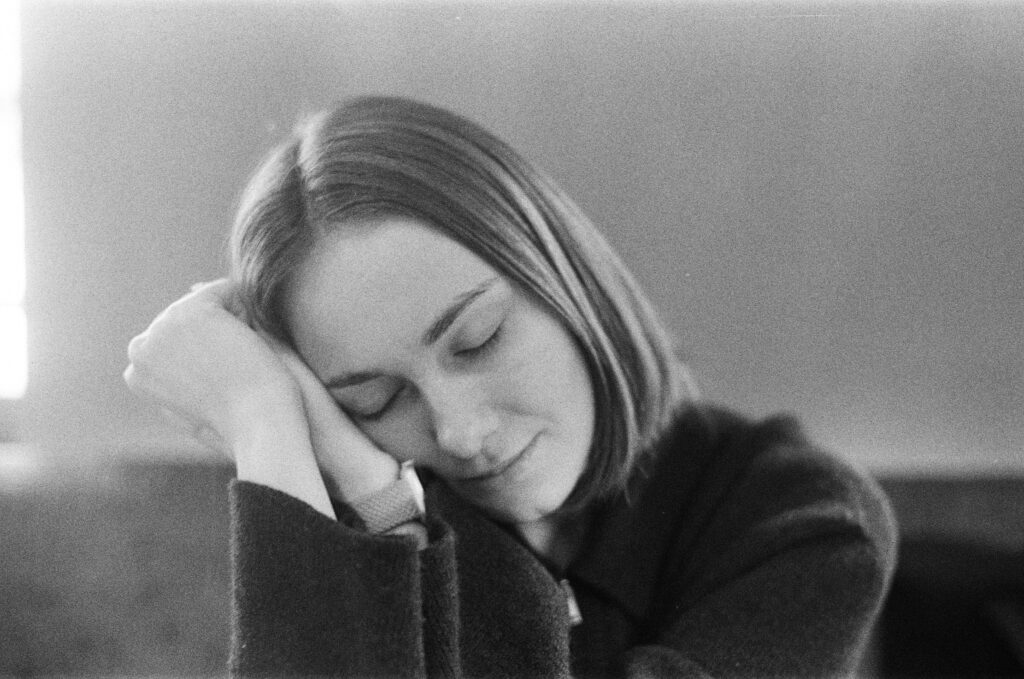
Depression fatigue is different from being tired after a long week. It’s a heavy, bone-deep exhaustion that sleep doesn’t fix. You can get eight hours and still drag yourself through the day. You can nap on the weekend and still feel like you’re running on empty.
This kind of fatigue is one of the most overlooked signs of depression — partly because it’s so easy to explain away. Work is busy. The kids are a lot. Life is stressful. All of that might be true. But if you’ve felt this drained for months without relief, it’s worth paying attention to. Individual therapy can help you understand what’s driving that exhaustion — and actually start to address it.
2. Things You Used to Enjoy Don’t Do Much for You Anymore
This one sneaks up on people. You used to love hiking the trails up Big Cottonwood Canyon on the weekends. Now you don’t bother. You used to look forward to dinner with friends. Now it feels like an obligation you’re trying to get through.
Clinically, this is called anhedonia — the loss of pleasure in activities that used to bring it. It’s one of the hallmark symptoms of depression, and it often goes unrecognized because it doesn’t feel dramatic. You don’t hate things. They just feel… flat.
If the things that used to light you up have quietly stopped doing that, your brain may be struggling in a way that therapy for depression in Utah is specifically designed to address. This isn’t something you have to just push through on your own.
3. You’re Irritable More Than You’re Sad

A lot of people don’t recognize their depression because they aren’t sad — they’re angry. Irritable. Short-fused in ways that feel out of character. Things that wouldn’t have bothered them a year ago now send them over the edge.
Depression in adults — especially men — frequently shows up as irritability rather than tearfulness. If you’ve noticed that your patience has evaporated, that small frustrations feel enormous, or that you’re snapping at people you love, that pattern is worth taking seriously.
It’s not a character flaw. It’s often a sign that your nervous system is under more strain than it can handle. Research from the American Psychological Association confirms that irritability is a recognized symptom of depression — and one that responds well to treatment.
4. Concentrating Has Become Really Hard
Depression affects your brain’s ability to focus, make decisions, and retain information. You might find yourself reading the same paragraph three times and still not absorbing it. Forgetting things you wouldn’t normally forget. Sitting down to get something done and staring at the screen for an hour.
This is sometimes called “brain fog,” and it can be one of the most frustrating aspects of depression — especially if you’re someone who prides yourself on being sharp and capable. When your brain isn’t functioning the way it should, it affects your work, your confidence, and your sense of self.
The good news is that brain fog is one of the symptoms that tends to lift significantly once someone starts therapy for depression. You don’t have to keep white-knuckling your way through your days.
5. You’ve Pulled Back From the People in Your Life

Depression has a way of making isolation feel logical. You cancel plans because you don’t have the energy. You stop reaching out because you don’t want to be a burden. You tell yourself you’ll reconnect when you feel better — but that day keeps getting pushed further out.
The painful irony is that isolation makes depression worse. Human connection is one of the most powerful things that counters it. But when you’re depressed, connection is often the last thing you feel capable of.
Depression also doesn’t travel alone — anxiety often shows up alongside it, making social situations feel even more draining. If you’ve noticed yourself quietly withdrawing from friends and family, that’s one of the clearest signs it may be time to talk to someone.
6. You Have a Persistent Feeling That Something Is Just… Wrong
Not everyone with depression can point to a specific thought or feeling. Sometimes it’s more like a low hum in the background — a sense that something is off, that life feels heavier than it should, that you’re going through the motions but not really living.
Some people describe it as feeling like they’re watching their life from behind glass. Present, but not quite there. Disconnected from themselves and the people around them.
This kind of persistent, hard-to-name heaviness is one of the most common — and most commonly dismissed — signs of depression. If you’ve felt this way for more than a few weeks, therapy for depression in Utah is worth exploring. You don’t have to be in crisis to deserve support.
7. You’ve Wondered More Than Once if You’re Depressed

This one might be the most telling sign of all. If you’ve googled “signs of depression” more than once, or found yourself reading an article like this one, something in you is already asking the question.
People who are just having a bad week don’t usually spend time wondering if they have depression. That quiet, persistent wondering — the part of you that knows something isn’t right — deserves to be taken seriously.
You don’t have to meet every symptom on a clinical checklist to benefit from therapy for depression in Utah. If life has felt heavy and hard for a while, that’s reason enough to reach out.
What Therapy for Depression in Utah Actually Does
Research consistently shows that therapy — particularly cognitive behavioral therapy (CBT) and other evidence-based approaches — is one of the most effective treatments for depression. Not just helpful. Actually effective, with lasting results.
At Restore Mental Health, our therapists work with adults, teens, and families across Utah who are navigating depression. We don’t do one-size-fits-all. Therapy for depression looks different for every person — we work with you to understand what’s driving how you feel and find an approach that actually fits your life.
Sessions are warm, judgment-free, and at your pace. You don’t have to have it all figured out before you come in. Most people don’t. And if cost or coverage is a concern, you can learn more about our insurance and payment options before you even pick up the phone.
We offer telehealth therapy for those who prefer to connect from home, as well as in-person sessions across our Utah locations.
You’ve been living with this long enough. Therapy for depression in Utah is available, it works, and you don’t have to keep waiting until things get worse before you ask for help.
📞 Call us at (385) 284-7274
🗓️ Request an appointment online
🌐 Or visit restorementalhealthutah.com to learn more
You don’t have to keep carrying this alone.
Restore Mental Health provides individual, couples, family, and adolescent therapy across Utah. Our licensed therapists specialize in depression, anxiety, trauma, and more — with compassionate, evidence-based care at every step.